
Understand Water Retention and Prevent It Naturally
Water retention affects millions across the UK. Learn evidence-based strategies to maintain healthy fluid balance, reduce bloating, and support your overall wellness through lifestyle and dietary approaches.
What Is Water Retention?
Water retention occurs when excess fluid builds up in body tissues, commonly due to diet, hormonal changes, physical activity levels, or certain lifestyle factors. Understanding the root causes is the first step toward prevention.
Sodium & Electrolyte Balance
High sodium intake can cause your body to retain water as it works to maintain proper electrolyte concentration. Balancing salt consumption is key.
Hormonal Fluctuations
Estrogen and progesterone levels throughout the menstrual cycle can influence fluid retention. Understanding these patterns helps with planning and management.
Physical Activity Levels
Sedentary behaviour and prolonged sitting can worsen fluid accumulation in the lower extremities. Movement is essential for circulation.
Our Five-Step Prevention Approach
Assess Your Current Habits
Start by tracking your daily sodium intake, hydration patterns, and physical activity. Keep a simple log for one week to identify where retention triggers may be hiding. This baseline helps you understand what needs adjustment.
Optimize Sodium & Hydration
Gradually reduce processed food intake and aim for consistent hydration throughout the day. Drinking adequate water paradoxically helps prevent retention by supporting kidney function. Target 1.5–2 litres daily, adjusted for activity level.
Incorporate Regular Movement
Walking, swimming, cycling, and light strength training improve circulation and lymphatic drainage. Aim for 30 minutes of moderate activity most days. Even desk breaks and stretching help prevent stagnation.
Balance Macronutrients & Minerals
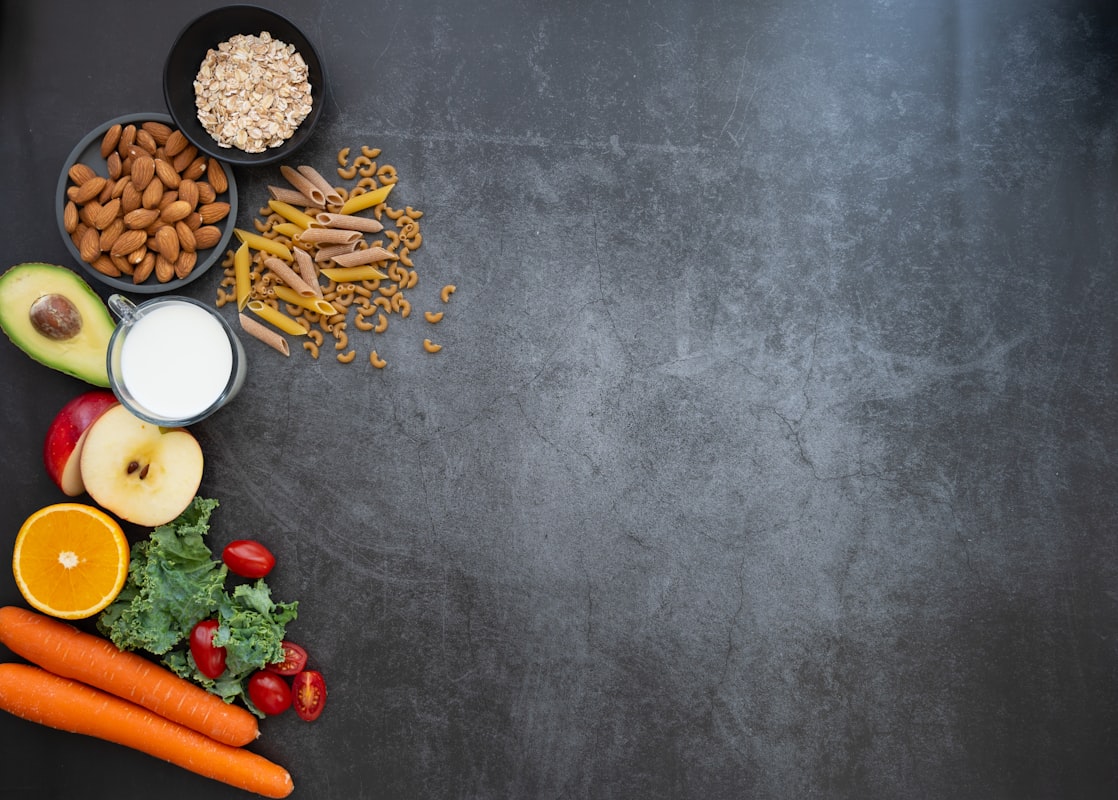
Include potassium-rich foods (bananas, leafy greens, sweet potatoes), magnesium sources (nuts, seeds), and adequate protein. These minerals support fluid regulation and reduce bloating naturally.
Monitor & Adjust Over Time
Track changes weekly and notice patterns around your menstrual cycle, salt intake, or exercise. Small adjustments based on your individual response create lasting habits that prevent water retention long-term.
Quick Prevention Tips
Stay Consistently Hydrated
Drinking water throughout the day supports kidney function and helps your body maintain proper fluid balance naturally. Spread intake evenly rather than drinking large amounts at once.
Reduce Processed Foods
Processed foods are typically high in sodium. Focus on whole foods like vegetables, fruits, grains, and legumes. Cooking at home gives you full control over salt content.
Eat Potassium-Rich Foods
Potassium helps counterbalance sodium and supports fluid balance. Include bananas, spinach, avocado, sweet potatoes, and beans in your regular meals.
Move Your Body Daily
Physical activity improves circulation and lymphatic drainage. Even light walking or stretching helps prevent fluid pooling in tissues.
Prioritize Quality Sleep
Poor sleep disrupts hormonal regulation, which can increase water retention. Aim for 7–9 hours and maintain consistent sleep schedules.
Elevate & Compress
If experiencing lower leg swelling, elevate your legs above heart level for 15 minutes daily. Compression socks can also support circulation during long periods of sitting.
Why Choose Holistic Wellness Guide
Evidence-Based Content
Our editorial team researches peer-reviewed studies and integrates scientific findings with practical advice. Every article undergoes rigorous fact-checking.
Real User Feedback
We prioritize authentic experiences from our readers. Their stories and results inspire our editorial direction and help us address genuine wellness challenges.
Practical Guidance
We translate complex wellness concepts into simple, actionable steps. Our guides focus on what you can implement today, not abstract theory.
UK-Focused Expertise
Operating from the United Kingdom, we understand the local health landscape, dietary availability, and healthcare access specific to UK readers.
Transparent Approach
We clearly disclose sources, limitations, and when topics require professional consultation. Our editorial integrity is never compromised.
Regularly Updated Content
Wellness science evolves. We regularly review and refresh our articles to reflect the latest research and reader feedback.
What Our Readers Say
"The water retention guide from Holistic Wellness Guide completely changed how I approach my daily habits. After following the five-step approach, I noticed a positive change in how I felt. The advice about potassium-rich foods was particularly eye-opening. Individual results may vary. I love how practical and evidence-based everything is."
Sarah Mitchell
Manchester, UK
"As someone who works at a desk all day, I was struggling with leg puffiness and discomfort. The movement and elevation tips were simple but incredibly effective. I appreciate that the content doesn't push quick fixes—it's all about sustainable lifestyle changes. Highly recommend for anyone serious about their wellness."
David Chen
London, UK
"I've struggled with hormonal water retention for years. The explanation about estrogen and progesterone cycles finally helped me understand my body better. The timing-based strategies make so much sense. Thank you for creating content that's both scientifically rigorous and genuinely helpful."
Emma Richardson
Bristol, UK
Frequently Asked Questions
When consistently applying the five-step approach, many people report noticing positive changes over time. Some individuals report improvement in bloating and comfort within days of increasing hydration and reducing processed foods. However, hormonal patterns may take a full menstrual cycle to stabilize. Results vary based on individual factors like baseline sodium intake, activity level, and hydration habits.
Yes. While diet and activity are primary prevention factors, water retention can also result from hormonal fluctuations, medications, standing or sitting for long periods, heat exposure, and certain health considerations. If you experience persistent swelling despite lifestyle changes, or if it's accompanied by other concerning symptoms, consult with your healthcare provider to rule out underlying factors.
Counterintuitively, yes. Consistent hydration supports kidney function and helps your body regulate fluid balance more effectively. Dehydration can actually trigger your body to hold onto water as a protective mechanism. Aim for gradual, consistent intake throughout the day rather than large amounts at once.
No foods are completely forbidden. However, highly processed foods, cured meats, canned goods with high sodium, and takeaway meals are the biggest contributors to excess water retention. Rather than elimination, focus on gradually reducing these items and replacing them with whole foods. Small, sustainable changes work better than drastic restrictions.
The NHS recommends 3,500 mg of potassium daily for most adults. You can easily reach this through balanced meals: a medium banana provides about 400 mg, a cup of spinach offers 700 mg, and a sweet potato contains around 900 mg. Focus on eating a variety of potassium-rich whole foods rather than counting precisely.
Explore More Wellness Content
Dive deeper into water retention prevention, balanced nutrition, and holistic wellness strategies. Our editorial team is constantly creating new, evidence-based articles to support your health journey.
Subscribe to Our Newsletter
Receive the latest wellness articles and prevention tips delivered to your inbox every week.
We respect your privacy. Unsubscribe at any time.